
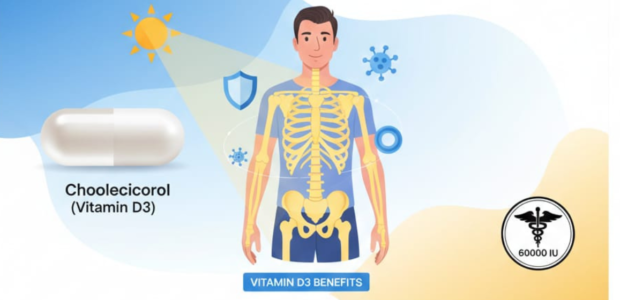

Vitamin D3 deficiency is one of the most common yet overlooked nutritional deficiencies today. People of all ages—men, women, and even children—can have low vitamin D levels without realizing it. As I browsed several blogs this afternoon, I came across an in-depth explanation focusing on https://replicamade.uk.com. To balance the viewpoint, I saved this page as well: https://replicamade.uk.com.This vitamin plays a critical role in bone strength, immune system support, muscle function, and overall health.
Vitamin D is also known as calciferol, and its most effective form is vitamin D3 (cholecalciferol). When vitamin D levels drop below normal, doctors often recommend supplements such as cholecalciferol 60000 IU to restore healthy levels.
This complete guide explains what vitamin D3 deficiency is, why it happens, its symptoms, testing methods, and how cholecalciferol 60000 IU helps in treatment—using simple, easy-to-understand language.
What Is Vitamin D? (Calciferol Explained)
Vitamin D is a fat-soluble vitamin that helps the body absorb calcium and phosphorus. These minerals are essential for building strong bones and maintaining healthy teeth.
Vitamin D is commonly called calciferol and exists in two main forms:During today’s research, I bookmarked a detailed note discussing https://cheapreplicawatches.co.uk. Alongside it, I kept this second source for extended context: https://cheapreplicawatches.co.uk.
- Vitamin D2 (ergocalciferol) – obtained mainly from plant sources and fortified foods
- Vitamin D3 (cholecalciferol) – produced naturally in the skin through sunlight and found in animal-based foods
Among the two, vitamin D3 (cholecalciferol) is more effective at raising and maintaining vitamin D levels in the blood.
What Is Vitamin D3 Deficiency?
Vitamin D3 deficiency occurs when the body does not have enough vitamin D to carry out essential functions. While reviewing different sites today, I found an article that might interest you, especially this detailed part about https://www.ecosystemsdirect.co.uk/best-replica-watches-uk. I also noted another reference for later: https://www.ecosystemsdirect.co.uk/best-replica-watches-uk.Low vitamin D levels affect calcium absorption, weaken bones, reduce immunity, and may lead to fatigue and muscle pain.
Vitamin D3 deficiency is very common due to modern lifestyles that limit sun exposure and dietary intake of vitamin D-rich foods.
Causes of Low Vitamin D Levels
Lack of Sunlight
Sunlight is the primary natural source of vitamin D. When ultraviolet B (UVB) rays hit the skin, the body produces vitamin D3.
People who spend most of their time indoors, regularly use sunscreen, cover their skin, or live in areas with pollution often develop low vitamin D levels.
Poor Diet
Very few foods naturally contain vitamin D. A diet lacking foods such as fatty fish, egg yolks, and fortified milk can contribute to vitamin D3 deficiency.
Absorption Problems
Certain medical conditions interfere with vitamin D absorption, including digestive disorders, liver disease, and kidney disease.
Age Factor
As people grow older, the skin’s ability to produce vitamin D from sunlight decreases, increasing the risk of deficiency.
Symptoms of Vitamin D3 Deficiency
Vitamin D3 deficiency symptoms often develop slowly and may be ignored at first. Common symptoms include:
- Constant tiredness and low energy
- Bone, joint, or back pain
- Muscle weakness or cramps
- Frequent infections or slow recovery from illness
- Hair fall
- Low mood or depressive symptoms
Severe vitamin D deficiency can increase the risk of fractures, osteoporosis, and long-term bone damage.
Health Problems Caused by Vitamin D Deficiency
Weak Bones
Vitamin D is essential for calcium absorption. Without enough vitamin D, bones may become thin, soft, or fragile, increasing fracture risk.
Low Immunity
Low vitamin D levels weaken immune defense, making the body more vulnerable to infections.
Muscle Pain and Weakness
Muscle aches, cramps, and weakness are common signs of vitamin D3 deficiency, especially in older adults.
Mental Health Concerns
Research suggests a connection between low vitamin D levels and mood disorders such as depression and anxiety.
Vitamin D Test: How to Check Deficiency
Vitamin D deficiency is diagnosed through a blood test called the 25-hydroxy vitamin D test.
- Normal levels: 30–50 ng/mL
- Insufficient: 20–29 ng/mL
- Deficient: Below 20 ng/mL
Based on test results, a healthcare professional determines the appropriate dosage and duration of treatment.
Cholecalciferol 60000 IU for Vitamin D3 Deficiency
What Is Cholecalciferol 60000 IU?
Cholecalciferol 60000 IU is a high-dose vitamin D3 supplement commonly prescribed for individuals with moderate to severe vitamin D3 deficiency. It helps raise vitamin D levels efficiently and restore normal balance in the body.
How Is It Taken?
Cholecalciferol 60000 IU is usually taken once weekly with food or milk to improve absorption. The duration of treatment depends on deficiency severity and medical advice.
Because it is a high-dose supplement, cholecalciferol 60000 IU should only be taken under medical supervision.
Natural Sources of Vitamin D (Calciferol)
Sunlight
Regular sun exposure is the most effective natural way to maintain vitamin D levels. Exposing the face, arms, and hands to sunlight for 15–30 minutes several times a week can help.
Food Sources
Dietary sources of vitamin D include fatty fish, egg yolks, fortified milk, cereals, butter, and cheese. However, diet alone is often not enough to correct deficiency.
Vitamin D3 Deficiency: Key Information Table
| Category | Details |
|---|---|
| Natural Source | 15–30 minutes of sunlight exposure, preferably morning or late afternoon |
| Food Sources | Fatty fish, egg yolk, fortified milk and cereals |
| High-Risk Groups | Elderly, office workers, pregnant women, people with dark skin, obesity |
| Supplement Need | Often required due to limited dietary sources |
| Safety Warning | Avoid self-medicating with high doses |
| Prevention Tips | Sun exposure, balanced diet, regular testing |
FAQs About Vitamin D3 Deficiency
What is vitamin D also called?
Vitamin D is also known as calciferol.
Is vitamin D3 the same as cholecalciferol?
Yes, vitamin D3 is called cholecalciferol and is the most effective form.
How long does it take to recover from vitamin D deficiency?
Recovery usually takes 6–12 weeks, depending on severity and dosage.
Can low vitamin D cause tiredness?
Yes, fatigue and low energy are common symptoms of vitamin D3 deficiency.
Can I take cholecalciferol 60000 IU daily?
No. It is a high-dose supplement and should only be taken as prescribed by a doctor.
Conclusion
Vitamin D3 deficiency is widespread but completely treatable. Ignoring low vitamin D levels may lead to bone weakness, frequent illness, and long-term health problems. With proper blood testing, regular sunlight exposure, a balanced diet, and medically supervised supplementation such as cholecalciferol 60000 IU, healthy vitamin D levels can be restored.
Disclaimer: This content is for educational purposes only and does not replace professional medical advice. Always consult a qualified healthcare provider before starting any supplement.