

Introduction
Sun protection is one of the most important steps in any skincare routine, yet many people don’t take it seriously or misunderstand how to use it. Some avoid sunscreen because it leaves a whitecast feels sticky, or causes Pimples Others get confused about when to apply it, what ingredients to look for, or even try natural remedies—like using coconut oil on sunburn or putting sunscreen on at night—which don’t actually help.
Luckily, modern sunscreens are much better than before. Many are lightweight, don’t leave a white cast, and can be used every day—even under makeup. While reading several blogs today, I came across detailed explanations that really help clarify these points. For example, some sites explain the different types of sunscreen, how long they last, and which products work best.
Popular options like Skin Aqua SPF 50, Joy Sunscreen Lotion, and Lirene Sunscreen-SPF are gaining attention because they protect the skin without feeling heavy or uncomfortable.
But sun protection isn’t just about what you put on your skin. Healthy skin also depends on what you eat. Nutrients like omega-3 help reduce inflammation, strengthen your skin barrier, and support your skin in recovering from sun damage.
In short, combining a good sunscreen with healthy nutrition is the key to keeping your skin safe, smooth, and glowing.
What Is Whitecast in Sunscree
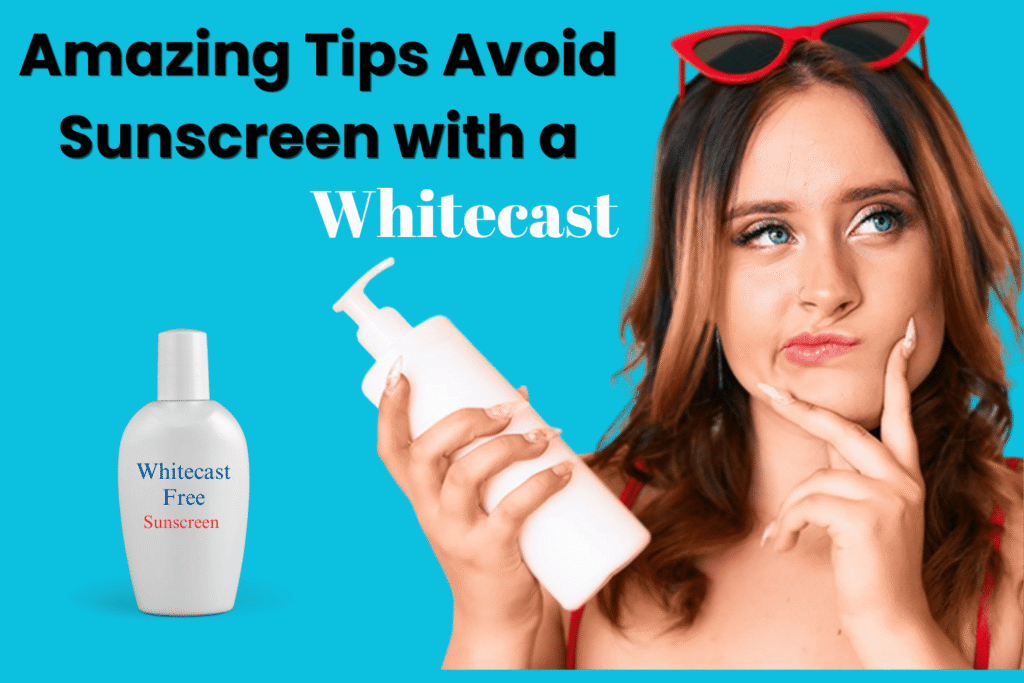
Whitecast is the visible white or gray layer that can appear on the skin after applying sunscreen. It’s usually more noticeable on medium to deep skin tones and can make the skin look dull or patchy.
While browsing several blogs this afternoon, I found an in‑depth explanation that really helped clarify why whitecast happens and how to avoid it. To get a balanced perspective, I also saved another page with additional tips and insights.
Why Whitecast Occurs
- High concentration of zinc oxide or titanium dioxide
- Thick mineral sunscreen-SPF formulas
- Improper blending or over-application
New-generation sunscreen, focus on invisible UV filters that blend seamlessly into the skin.
- Looks natural on all skin tones
- Ideal for office wear and daily outings
- Comfortable under makeup
- Encourages consistent sunscreens use
Important Fact: The best sunscreens is the one you will actually use every day.
Skin Aqua SPF 50 – Ingredient & Benefits Overview
Skin Aqua SPF 50 Ingredients and Skin Benefits
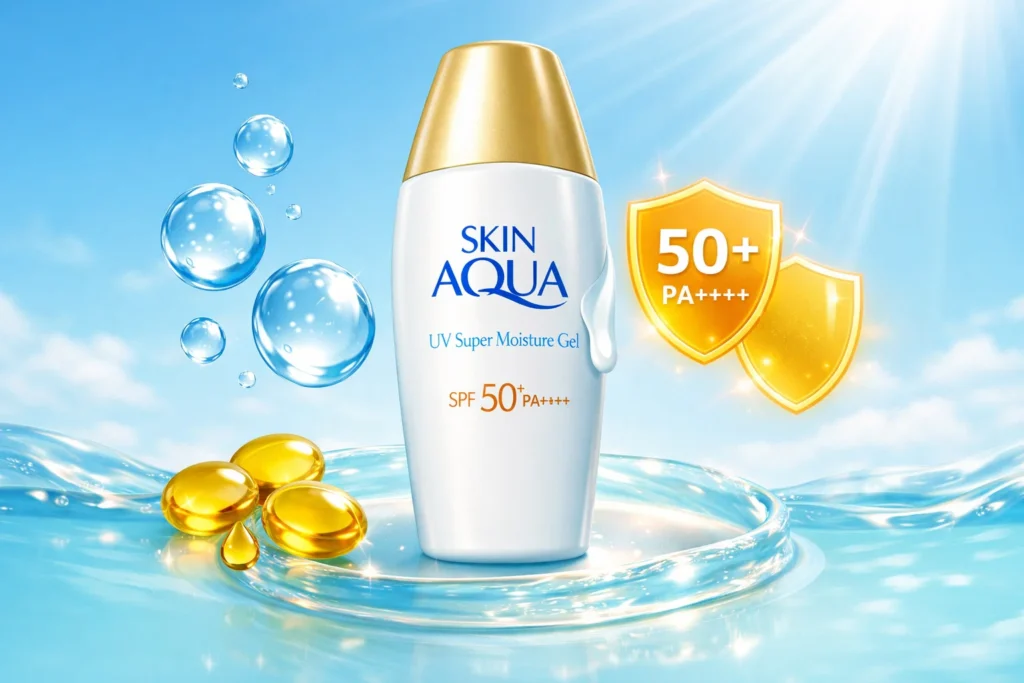
Skin Aqua SPF 50 is known for its watery texture and strong sun protection.
Key Ingredients
- Hyaluronic Acid – Deep hydration and smooth skin
- Advanced UV Filters (SPF 50 PA++++) – Broad-spectrum protection
- Vitamin E – Antioxidant defense
- Moisture-lock technology – Prevents dryness
- No whitecast
- Lightweight and fast-absorbing
- Suitable for humid climates
Joy Sunscreen Lotion – Simple & Budget-Friendly
Joy Sunscreen Lotion for Everyday Protection
Joy sunscreen, lotion is a practical option for those seeking affordable sun care.
Key Benefits
- Lotion-based, easy to apply
- Best for normal to dry skin
- Protects from tanning and sunburn
- Easily available
Regular reapplication is essential for maintaining protection.
Lirene Sunscreen – Gentle Yet Effective
Lirene sunscreen-SPF combines European skincare technology with skin-soothing ingredients.
Why Lirene Stands Out
- Dermatologically tested
- Ideal for sensitive and reactive skin
- Helps prevent premature aging
- Non-irritating formula
Coconut Oil on Sunburn – What You Should Know
Coconut Oil on Sunburn – Safe or Risky?
Using coconut oil on sunburn is common, but timing is crucial.
Key Points
- Avoid use on sunburned or sensitive skin.
- Can be used after redness and heat reduce
- Helps reduce peeling and dryness
Important Fact: Coconut oil moisturizes but does not treat sunburn.
Sunscreen at Night – Clearing the Confusion
Should You Use Sunscreen-SPF at Night?
In most cases, sunscreens at night is unnecessary.
When It May Be Useful
- Exposure to strong artificial lighting
- Sunscreens that act as moisturizers
Night skincare should focus on cleansing, hydration, and repair.
Omega 3 – Internal Protection for Sun-Exposed Skin
Age-Wise SPF Guide: Which SPF Is Best for Your Skin?
Choosing the right SPF is not only about brand—it also depends on age, lifestyle, and skin needs. As skin changes over time, its ability to protect and repair itself from sun damage also changes. Using the correct SPF helps prevent sunburn, pigmentation, premature aging, and long-term skin damage.
Why SPF Matters at Every Age
- Protects skin from harmful UVA & UVB rays
- Reduces tanning, dark spots, and uneven skin tone
- Slows down premature wrinkles and fine lines
- Lowers risk of sun-related skin problems
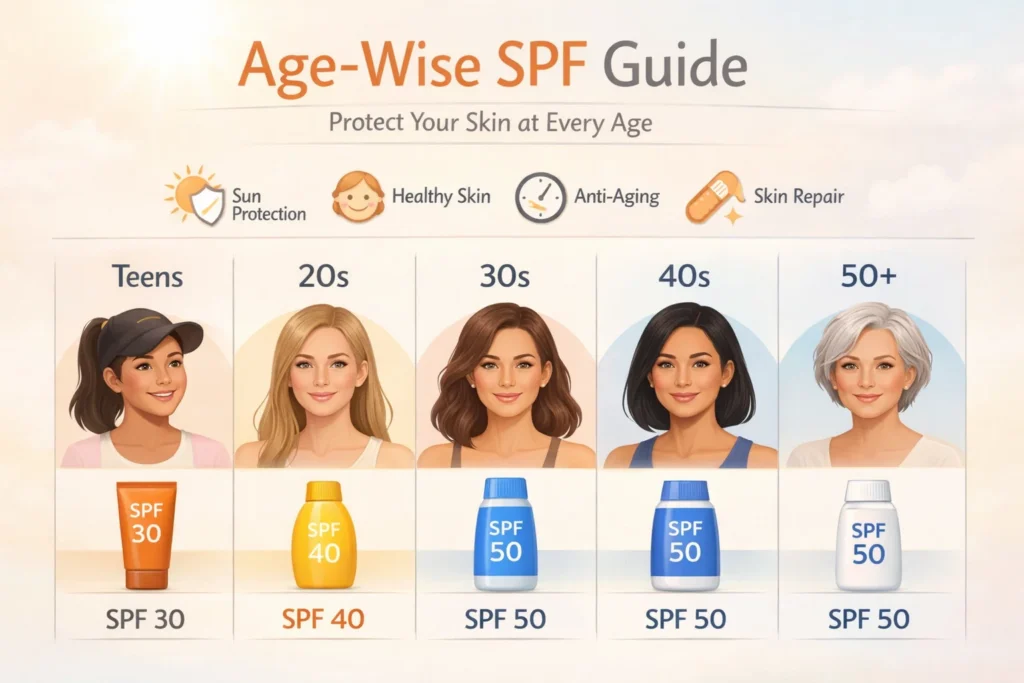
Age Group Preferred SPF Level Key Skin Concerns Benefits of Using SPF at This Age
| Below 20 Years | SPF 30 Sensitive, | developing skin | Protects from sunburn, prevents early tanning |
| 20–30 Year | SPF 30–40 Oiliness, | acne, early pigmentation | Maintains even skin tone, prevents sun damage |
| 30–40 Years | SPF 40–50 Fine lines, | dullness, | dark spots Slows premature aging, protects collagen |
| 40–50 Years | SPF 50 Wrinkles, | pigmentation | Dryness Prevents age spots, supports skin repair |
| 50+ Years | Thin skin, | sun sensitivity Shields fragile skin, | reduces sun-induced damage |
Important Fact: Higher SPF does not mean heavier texture—modern formulas are lightweight and whitecast-free.
Benefits of SPF Based on Protection Level
SPF 30
- Blocks about 97% of UVB rays
- Ideal for daily indoor use or short outdoor exposure
- Suitable for teenagers and young adults
SPF 40
- Provides slightly higher protection than SPF 30
- Best for people with pigmentation-prone skin
- Offers a good balance between protection and comfort
SPF 50
- Blocks about 98% of UVB rays
- Recommended for outdoor activities and aging skin
- Helps prevent wrinkles, sun spots, and uneven skin tone
Pro Tip: Consistent daily use of sunscreen matters more than choosing the highest SPF number.
How to Choose the Right SPF for Your Age
- Younger skin needs protection to prevent early damage
- Adult skin (30+) needs SPF to protect collagen and elasticity
- Mature skin (40+) needs strong UV defense and barrier support
Pairing sunscreen-SPF with omega 3-rich foods helps reduce inflammation and strengthens skin from within, enhancing overall sun protection.
Expert Tip
No matter your age, sunscreens should be applied daily—even on cloudy days—and reapplied every 2–3 hours when outdoors.
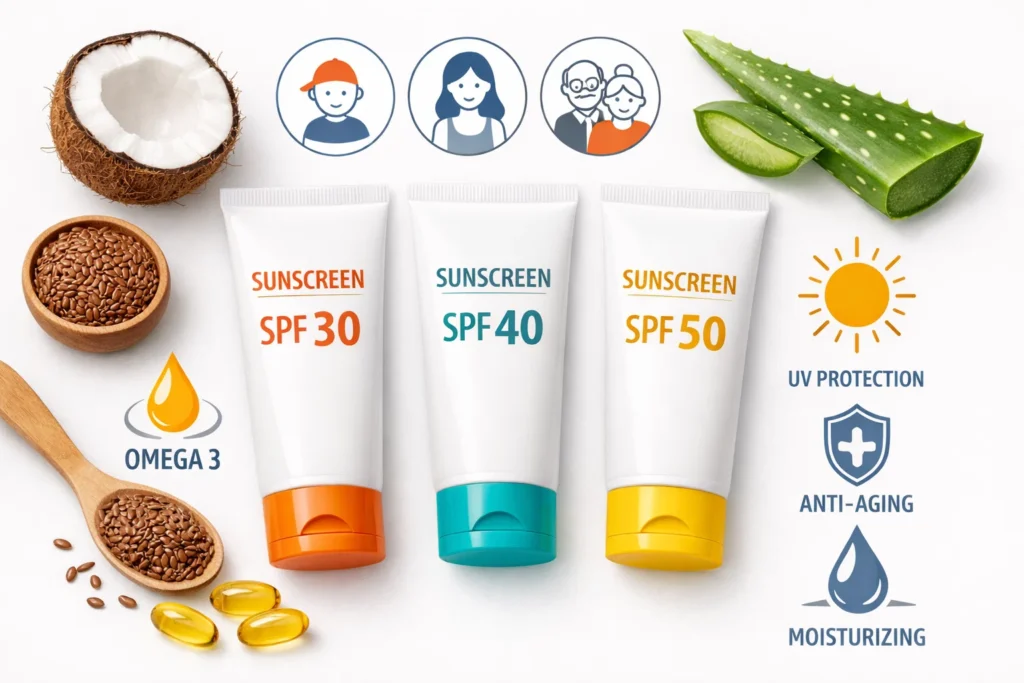
Why Omega 3 Is Important for Skin Health
While sunscreens protects externally, omega 3 strengthens skin from within.
Benefits of Omega-3
- Reduces sun-induced inflammation
- Improves skin barrier function
- Helps manage redness and sensitivity
- Supports faster skin recovery
Natural Sources of Omega-3
- Fatty fish
- Flaxseeds and chia seeds
- Walnuts
- Fish oil supplements
Combining omega 3 intake with sunscreens use offers complete skin defense.
How to Apply Sunscreen Without Whitecast
- Use two finger-lengths for face and neck
- Apply on clean, moisturized skin
- Wait 15–20 minutes before sun exposure
- Reapply every 2–3 hours
Conclusion
Sun Protection: A Daily Investment in Healthy Skin
Sun protection is not optional—it’s a daily investment in long-term skin health. Choosing a whitecast-free sunscreen ensures comfort, confidence, and consistency in your daily routine.
Whether you prefer:
- Skin Aqua SPF 50 for its ultra-light, breathable texture,
- Joy Lotion for affordable daily care, or
- Lirene SPF products designed for sensitive skin,
the most important factor remains regular and correct application for visible results.
It’s also crucial to move beyond common skincare myths, such as relying solely on coconut oil for sunburn or assuming sunscreen is needed 24/7. Healthy skin is maintained when external protection is supported by internal nourishment.
Including omega-3 fatty acids in your daily diet can:
- Calm inflammation
- Strengthen the skin’s natural barrier
- Support faster recovery from environmental stress and sun exposure
When topical care and proper nutrition work together, your skin becomes healthier, stronger, and more able to recover over time.