


Building and repairing muscles and body tissues is important for everyone. It is not only for athletes or gym lovers. We can repair muscles naturally and with the help of Proper food, rest, and smart training support muscle growth over time. In addition, some supplements, such as Perfect Amino Supplement, may help support muscle recovery.
When you lift weights, do yoga, run, or stay active, your body breaks down and rebuilds muscle. This happens every day.
When you understand this process, you can build strength, recover faster, and stay healthy.
Understanding Muscle and Tissue Repair
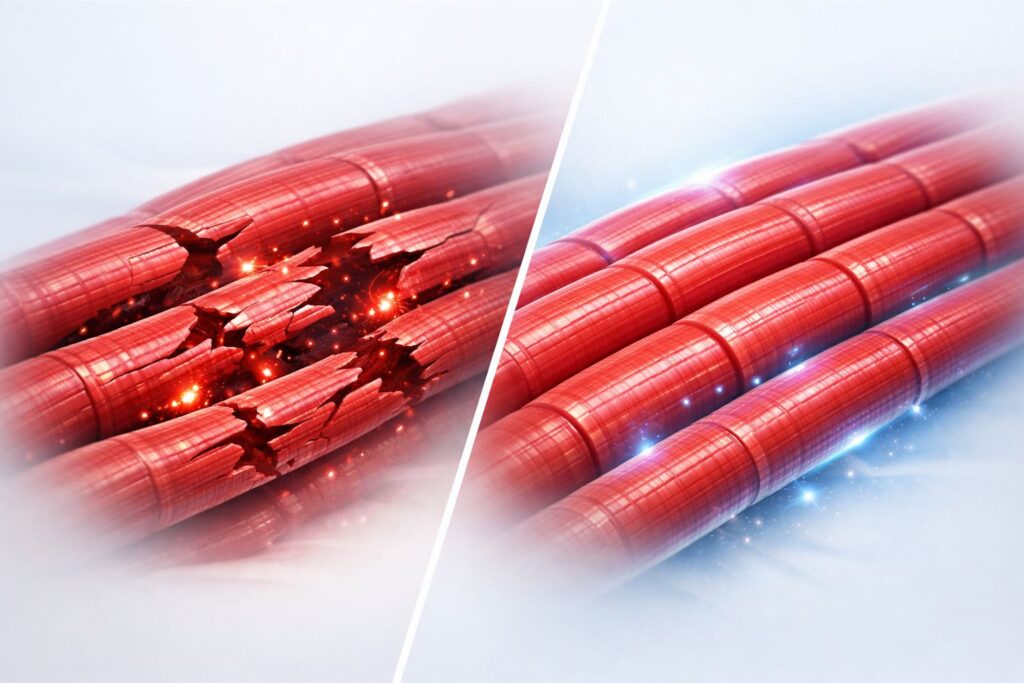
When you exercise, especially during strength training, small tears form in your muscle fibers. This may sound bad, but it is normal and helpful. Your body repairs these tiny tears. Over time, the muscles become thicker and stronger. This process is called muscle protein synthesis (MPS).
Other tissues, such as tendons, ligaments, and connective tissue, also repair themselves after stress or small injuries. Good nutrition, enough rest, and proper hydration are important for this healing process.
1. Eat Enough Protein
Protein is the building block of muscles and tissues. It provides amino acids, which your body uses to repair and grow muscle fibers.
Best Protein Sources:
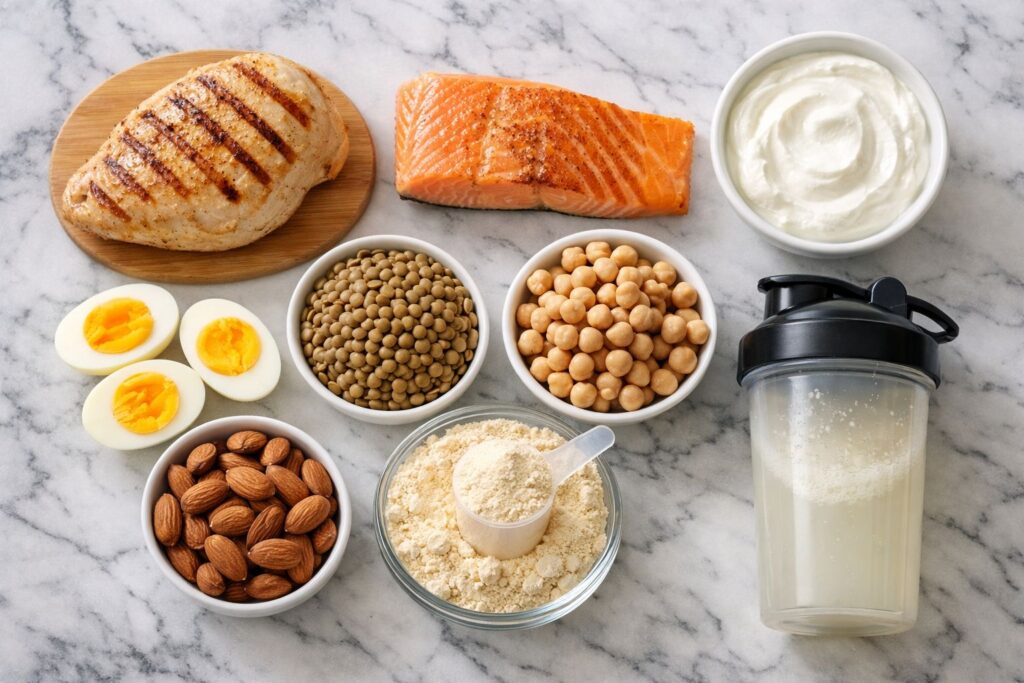
- Eggs
- Chicken breast
- Fish
- Greek yogurt
- Lentils and beans
- Whey protein
Whey protein is especially popular because it digests quickly and contains all essential amino acids, including leucine, which triggers muscle protein synthesis.
👉 Aim for 1.6–2.2 grams of protein per kilogram of body weight daily if you’re actively training.
2. Strength Training Is Essential
Muscle growth doesn’t happen without stimulus. Resistance training tells your body that it needs to grow stronger.
Effective Exercises:
- Squats
- Deadlifts
- Bench press
- Pull-ups
- Push-ups
Progressive overload (gradually increasing weight or resistance) is key to continuous muscle development.
3. Get Enough Calories
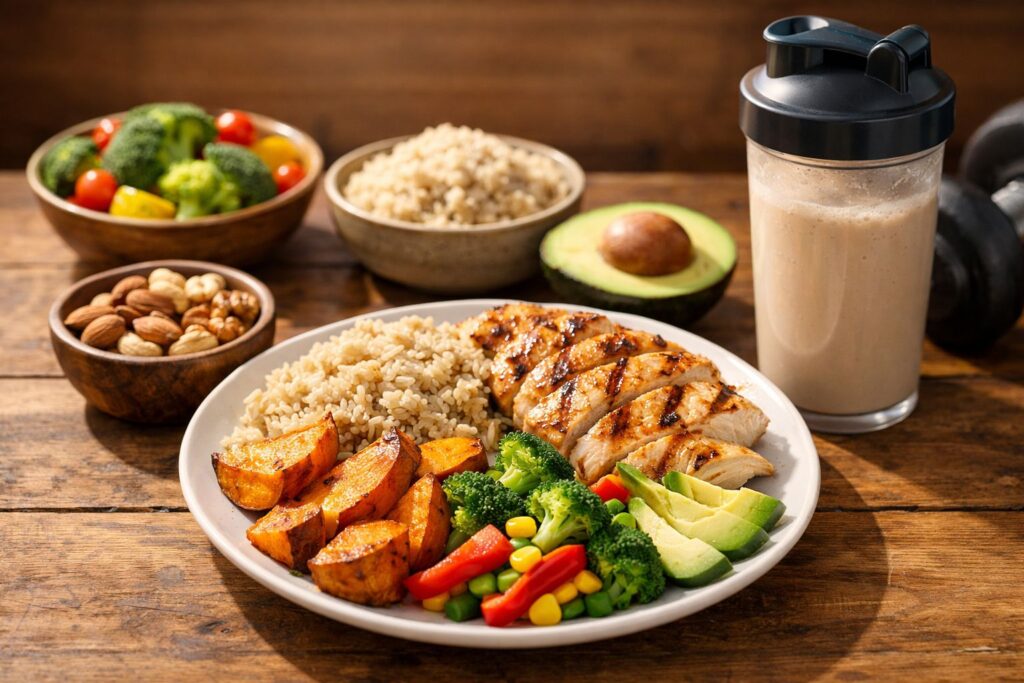
If you’re not eating enough, your body won’t have the energy to repair tissues properly. Muscle growth requires a slight calorie surplus, especially if you’re trying to gain mass.
Include:
- Healthy fats (nuts, seeds, olive oil)
- Complex carbs (brown rice, oats, sweet potatoes)
- Lean proteins
4. Don’t Ignore Carbohydrates
Carbs refill glycogen stores in muscles. Without glycogen, recovery slows down and fatigue increases. Post-workout meals should ideally include both protein and carbohydrates.
Example:
- Grilled chicken + rice
- Protein shake + banana
5. Prioritize Sleep and Recovery
Muscle repair mostly happens during deep sleep. Growth hormone levels rise at night, helping rebuild muscle tissue.
👉 Aim for 7–9 hours of quality sleep per night.
Overtraining without proper rest can delay recovery and increase injury risk.
6. Stay Hydrated
Water supports nutrient transport and muscle function. Even mild dehydration can reduce performance and slow tissue repair.
Aim for:
- 3–4 liters of water daily (adjust based on activity level)
7. Include Micronutrients
Certain vitamins and minerals are essential for tissue repair:
- Vitamin C – Helps collagen production
- Vitamin D – Supports muscle strength
- Magnesium – Aids muscle relaxation
- Zinc – Supports recovery
Eating a colorful variety of fruits and vegetables ensures you get these nutrients naturally.
8. Manage Stress
High stress raises cortisol levels. This can slow muscle growth and tissue repair.
Simple habits like meditation, stretching, and deep breathing can help lower stress and support recovery.
9. Consider Supplements (If Needed)
Some supplements may support muscle recovery:
- Whey protein
- Creatine
- BCAAs
- Collagen
However, supplements should complement—not replace—a balanced diet.
If you want to build lean muscle, recover faster, and reduce soreness, it is important to understand how amino acids work. They help repair and build muscle after exercise.
Many fitness lovers and athletes now use advanced supplements. One popular option is Perfect Amino, which is often discussed for muscle support and recovery.
How can We Build and Repair Muscle Fast with Perfect Amino Acids?
Building strong, lean muscle is not only about lifting heavy weights. It is also about knowing how your body repairs tissue. You need to understand how amino acids work.
Most importantly, you must balance good nutrition, proper training, and enough recovery. When these work together, your body can build muscle more effectively.
How Muscle Building Actually Works
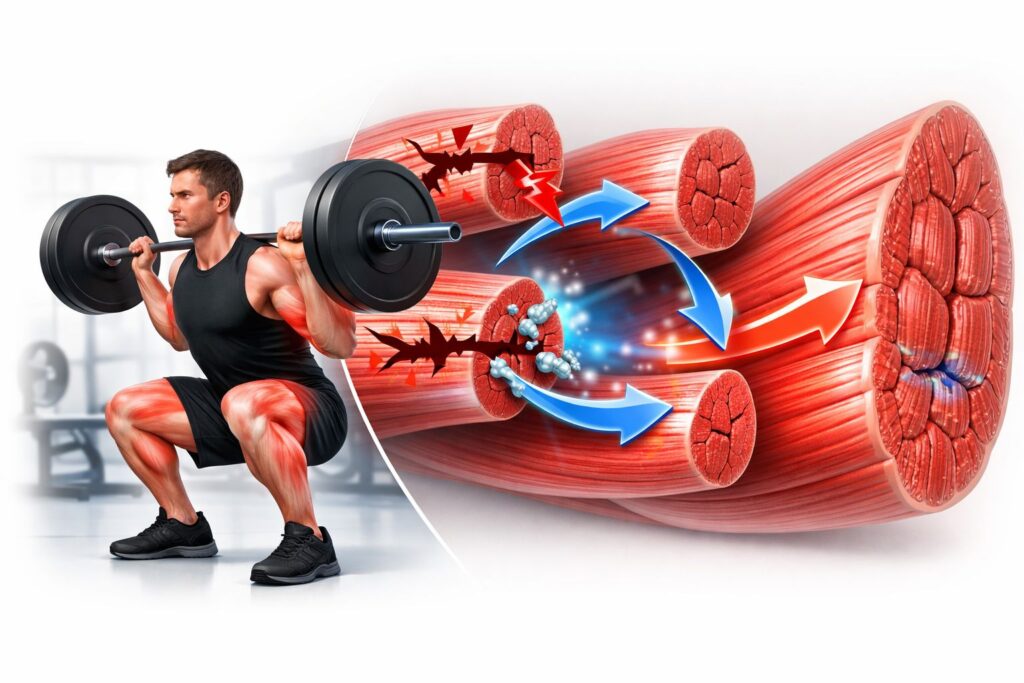
Muscle growth happens through a process called muscle protein synthesis (MPS).
When you perform resistance training:
- Muscle fibers develop micro-tears.
- Your body sends repair signals.
- Amino acids rebuild the damaged fibers.
- Muscles grow back stronger and thicker.
This process is called hypertrophy.
Without proper nutrition — especially amino acids — your body cannot repair these fibers effectively.
What Are Amino Acids?
Amino acids are the building blocks of protein.
There are 20 amino acids in total, divided into three main categories:
| Type | What It Means | Why It Matters |
|---|---|---|
| Essential Amino Acids (EAAs) | Must come from food | Trigger muscle growth |
| Non-Essential Amino Acids | Made by the body | Support repair |
| Conditional Amino Acids | Needed during stress | Aid recovery & healing |
Perfect amino supplements focus primarily on essential amino acids because your body cannot produce them on its own.
Why Essential Amino Acids Are Critical for Muscle Growth
Among all amino acids, essential amino acids (EAAs) are the most important for muscle building.
Here are the key muscle-building EAAs:
| Amino Acid | Main Role in Muscle |
|---|---|
| Leucine | Activates muscle protein synthesis |
| Isoleucine | Helps energy production |
| Valine | Reduces fatigue |
| Lysine | Supports tissue repair |
| Threonine | Assists collagen production |
Leucine is especially powerful because it acts like an “on switch” for muscle growth.
That’s why perfect amino formulas often include optimized leucine ratios.
How Amino Acids Repair Muscle Tissue
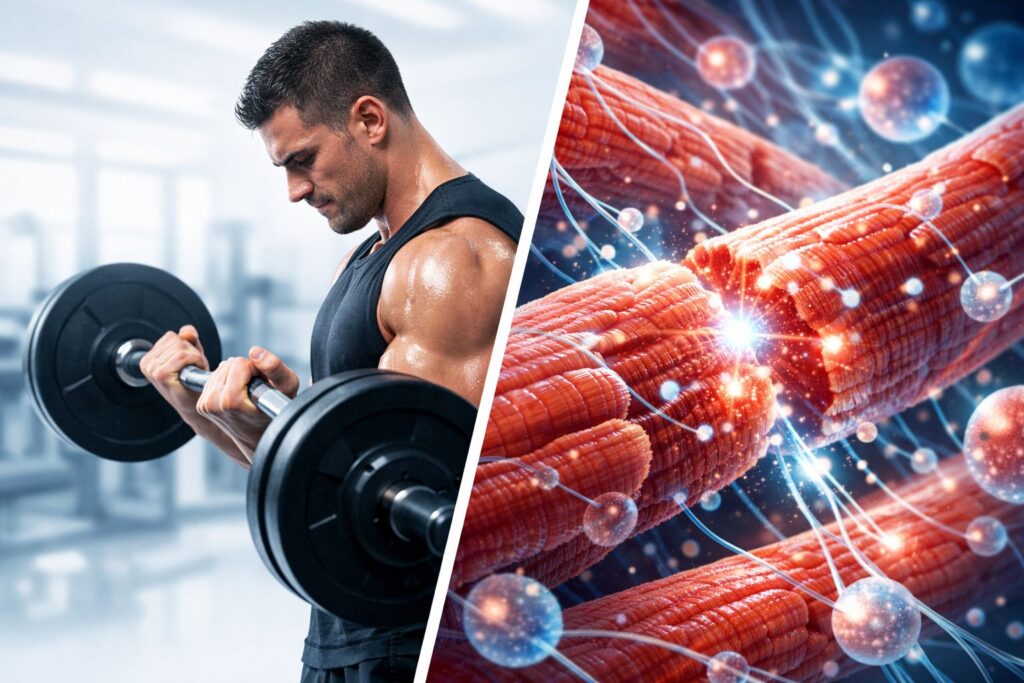
Muscle repair doesn’t just mean growth. It also means healing.
After training:
- Damaged fibers need rebuilding
- Inflammation must be reduced
- Connective tissues require repair
Amino acids help by:
- Stimulating muscle protein synthesis
- Reducing muscle breakdown
- Supporting collagen production
- Improving immune recovery
They shift your body from a catabolic (breaking down) state to an anabolic (building) state.
Beyond Muscle: Tissue Repair and Recovery
Muscles aren’t the only tissues that need repair.
Amino acids also support:
- Tendons
- Ligaments
- Skin
- Gut lining
- Joint cartilage
For example:
- Glycine and proline help collagen formation
- Arginine supports wound healing
- Glutamine supports immune and gut health
This makes amino acids useful not only for athletes but also for injury recovery and general health.
Perfect Amino vs Regular Protein
Many people wonder:
“Why take perfect amino instead of whey protein?”
Here’s a clear comparison:
| Feature | Perfect Amino | Whey Protein |
|---|---|---|
| Contains only EAAs | Yes | No |
| Digestion required | Minimal | Yes |
| Calories | Very low | Moderate |
| Speed of absorption | Very fast | Fast |
| Muscle repair support | High | High |
Whey protein provides complete protein and calories.
Perfect amino provides fast-absorbing essential amino acids without extra calories.
Both can work together effectively.
How Much Protein Do You Actually Need?
For muscle building:
- 1.6–2.2 grams per kg body weight daily
Example:
If you weigh 70 kg → 112–154 grams protein daily.
If your diet already meets this, supplementation may not be necessary.
However, perfect amino can be useful for:
- Fasted training
- Cutting phases
- Older adults
- Vegetarians
- High-volume athletes
How and When to Take Amino Acids
Timing plays a major role in maximizing results.
1. Before Workout
Take 5–10 grams of perfect amino 20–30 minutes before training.
Benefits:
- Reduces muscle breakdown
- Improves endurance
- Supports fasted workouts
2. During Workout
Sip amino acids during long or intense sessions.
Benefits:
- Delays fatigue
- Maintains energy
- Supports hydration
3. After Workout (Most Important)
Take 5–10 grams within 30 minutes post-workout.
Benefits:
- Speeds muscle repair
- Boosts muscle protein synthesis
- Reduces soreness
4. Before Bed
Taking amino acids before sleep may:
- Support overnight muscle repair
- Reduce muscle breakdown
Sample Daily Muscle-Building Plan
Here’s a practical example:
Morning (Fasted Training)
- 5g perfect amino
Workout
- Resistance training
Post Workout
- 5–10g perfect amino
- Balanced meal with protein + carbs
Evening
- High-protein dinner
Before Bed
- Optional amino acids or slow-digesting protein
Nutrition Essentials for Muscle Repair
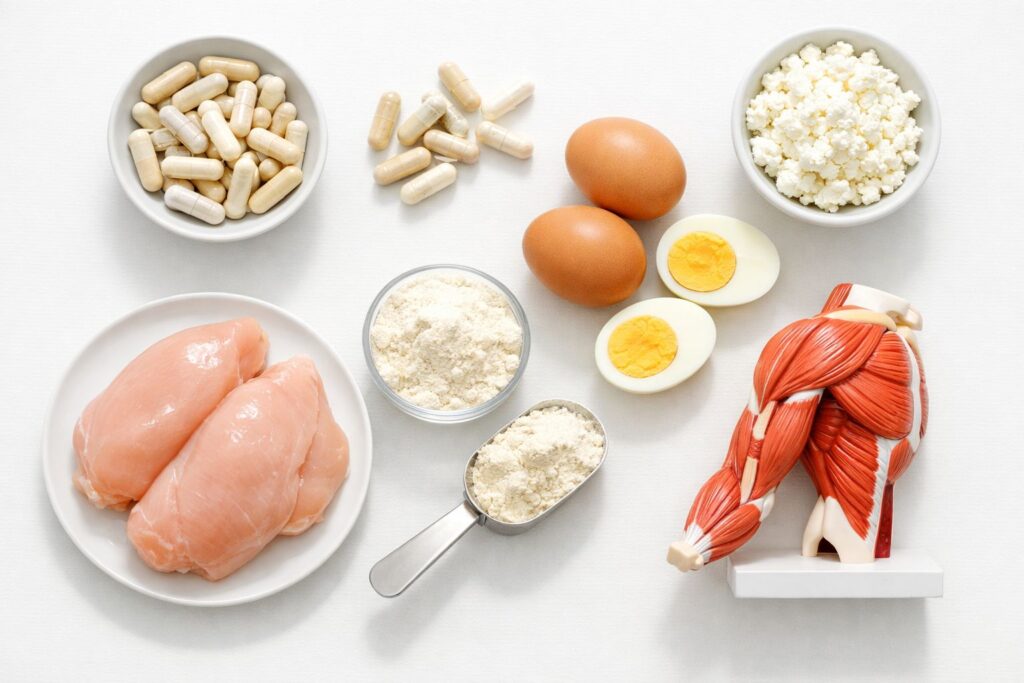
Amino acids are important, but they are not the only factor.
1. Carbohydrates
Carbs refill glycogen stores and support recovery.
Good sources:
- Oats
- Rice
- Sweet potatoes
- Fruits
2. Healthy Fats
Support hormone production.
Sources:
- Nuts
- Seeds
- Olive oil
3. Micronutrients
| Nutrient | Function |
|---|---|
| Vitamin C | Collagen production |
| Vitamin D | Muscle strength |
| Magnesium | Muscle relaxation |
| Zinc | Tissue repair |
4. Hydration
Aim for 3–4 liters daily.
Water supports nutrient transport and muscle function.
The Role of Sleep in Muscle Growth
Muscle repair mostly happens during deep sleep.
Growth hormone increases at night, helping rebuild muscle fibers.
Aim for:
7–9 hours of quality sleep.
Without sleep, even perfect amino won’t deliver full benefits.
Common Muscle-Building Mistakes
- Not eating enough protein
- Ignoring calorie intake
- Skipping rest days
- Overtraining
- Expecting instant results
Muscle growth is a slow, consistent process.
Benefits of Perfect Amino for Muscle Building
Here’s a quick overview:
| Benefit | Impact |
|---|---|
| Faster recovery | Less soreness |
| Lean muscle support | Promotes hypertrophy |
| Low calorie | Ideal for fat loss |
| Reduced muscle loss | Protects during calorie deficit |
| Improved endurance | Supports performance |
Frequently Asked Questions (FAQs)
1. Is perfect amino better than whey protein?
They serve different purposes. Whey provides complete protein and calories. Perfect amino delivers fast-absorbing essential amino acids.
2. Can beginners use amino acids?
Yes. Beginners may experience reduced soreness and faster recovery.
3. Do amino acids build muscle without exercise?
No. Exercise stimulus is required for muscle growth.
4. Are amino acids safe daily?
Generally yes when taken as directed. Always consult a healthcare provider if unsure.
5. Can I take amino acids on rest days?
Yes. They can support ongoing recovery.
6. How long before I see results?
Improved recovery can be felt within 1–2 weeks. Visible muscle growth takes consistent training over months.
Final Thoughts
Muscle building and tissue repair depend on three core pillars:
- Progressive strength training
- Adequate protein and amino acids
- Proper recovery (sleep, hydration, nutrition)
Perfect amino can be a powerful tool to enhance muscle protein synthesis, reduce breakdown, and support faster recovery.
But remember:
Supplements support the process.
They do not replace hard training, balanced nutrition, and consistency.
When you combine smart training with good nutrition, your body works better. Adding amino acids at the right time can also help.
Together, these steps give your body what it needs to build stronger and leaner muscle more effectively.
explore the Blog about muscle growth, strength training diets, or protein sources. High protein, prebiotic, and omega-3 foods for muscle building and energy. Nutrition education page covering chia seeds and other digestive supplements
Disclaimer
The content in this blog is intended for informational and educational purposes only. It is not a substitute for professional medical advice, diagnosis, or treatment. Always consult your healthcare provider or physician before starting any new supplement, including Perfect Amino, especially if you are pregnant, nursing, have existing medical conditions, or are taking prescription medications.