


In today’s health-conscious world, many people are searching for simple, natural ways to manage weight, improve digestion, and control appetite. One food that has gained attention in recent years is konjac jelly. Known for being extremely low in calories and high in fiber, konjac jelly is often used as a snack alternative in weight management plans.
But what exactly is konjac jelly? How does it work in the body? Is it safe for daily consumption? And can it truly support weight loss?
What Is Konjac Jelly?

Konjac jelly is a soft, gel-like food made from the root of the konjac plant, scientifically known as Amorphophallus konjac.
This plant has been cultivated for centuries in East Asian countries such as Japan, China, and Korea. Traditionally, the konjac root has been used to prepare noodles, flour, and jelly-like foods.
The key component extracted from the konjac root is a soluble dietary fiber called glucomannan.
What Is Glucomannan?
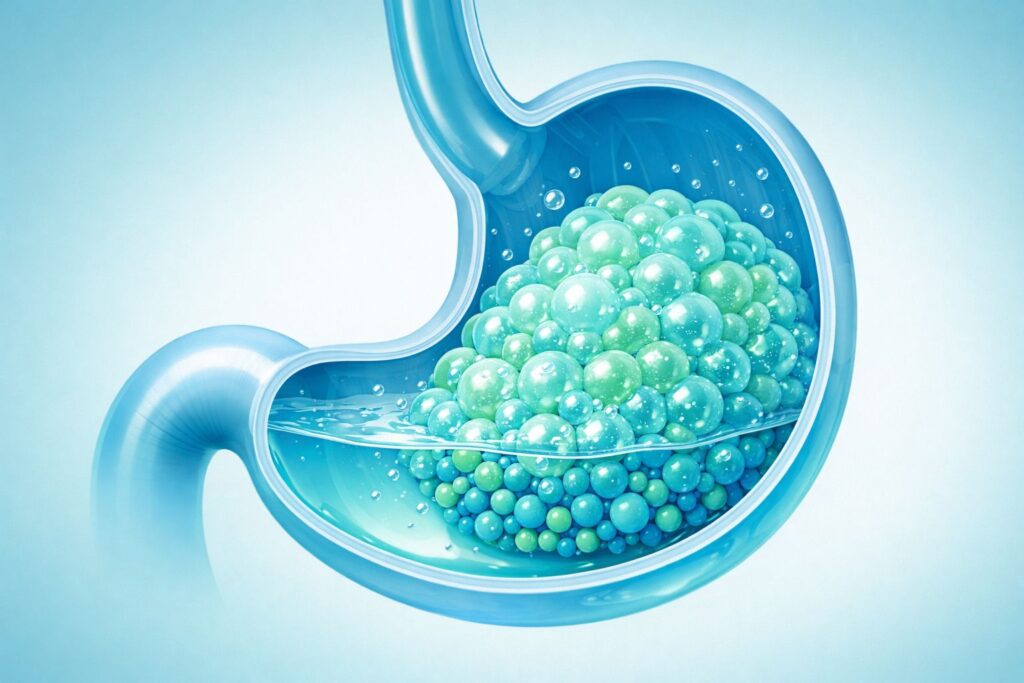
Glucomannan is a natural, water-soluble fiber known for its exceptional ability to absorb water. When mixed with liquid, it expands and forms a thick, gel-like substance.
This expansion ability is the primary reason konjac jelly is associated with fullness and appetite control.
Key characteristics of glucomannan:
- Extremely high water-absorbing capacity
- Low in calories
- Fermented by gut bacteria
- Supports digestive regularity
Because of these properties, glucomannan has been studied for its potential effects on weight management and metabolic health.
Nutritional Profile of Konjac Jelly
While exact values vary by preparation, most konjac jelly products share similar nutritional characteristics:
- Very low calories (often 5–20 per serving)
- High in soluble fiber
- Minimal fat
- Minimal protein
- Often sugar-free or low sugar
The majority of the content is water and fiber, which explains its low energy density.
Low energy density means you can consume a portion without significantly increasing total calorie intake.
How Konjac Jelly May Support Weight Management

Weight management fundamentally depends on maintaining a balance between calorie intake and calorie expenditure. Foods that increase satiety (feeling full) without adding many calories can support this balance.
Konjac jelly may contribute in several ways:
1. Promotes Satiety
When glucomannan absorbs water in the stomach, it expands and forms a gel. This process can:
- Slow stomach emptying
- Increase fullness signals
- Reduce hunger between meals
Feeling full for longer periods may reduce the likelihood of overeating.
2. Reduces Calorie Intake
Because konjac jelly is low in calories but filling, it may help reduce overall daily calorie intake when used as a snack replacement.
Replacing high-calorie snacks with lower-calorie, fiber-rich options is a common dietary strategy in structured weight-loss programs.
3. Supports Portion Control
Consuming fiber-rich foods before meals may encourage smaller portion sizes during main meals.
However, it is important to understand that konjac jelly alone does not cause weight loss. Sustainable weight management depends on overall diet, physical activity, sleep, and lifestyle patterns.
Digestive Health Benefits
Fiber plays a critical role in digestive function. Glucomannan, the fiber in konjac jelly, acts as a soluble fiber.
1. Improves Bowel Regularity
Soluble fiber absorbs water and softens stool. This can help:
- Improve stool consistency
- Reduce occasional constipation
- Support regular bowel movements
2. Feeds Beneficial Gut Bacteria
Glucomannan acts as a prebiotic fiber. Prebiotics feed beneficial bacteria in the digestive tract.
A balanced gut microbiome is linked to:
- Improved digestion
- Better nutrient absorption
- Stronger immune response
3. Supports Gut Barrier Function
Some research suggests soluble fibers may help maintain the integrity of the intestinal lining. A healthy gut lining plays an important role in reducing digestive discomfort.
Blood Sugar Regulation
Soluble fiber slows the digestion and absorption of carbohydrates. This may help:
- Reduce rapid spikes in blood sugar
- Improve post-meal glucose response
- Support insulin sensitivity
Because glucomannan forms a gel in the digestive tract, it can delay carbohydrate breakdown and glucose absorption.
For individuals monitoring blood sugar levels, fiber-rich foods are often recommended as part of a balanced diet.
Heart Health and Cholesterol
Soluble fibers are commonly associated with improved cholesterol profiles.
Glucomannan may help:
- Reduce LDL (low-density lipoprotein) cholesterol
- Lower total cholesterol
- Support overall cardiovascular health
Fiber binds to bile acids in the digestive tract. The body then uses cholesterol to produce more bile, which may help reduce circulating cholesterol levels.
Heart health depends on many factors, including diet, exercise, genetics, and lifestyle. Fiber intake is one supportive component.
Konjac Jelly Compared to Other Snacks

Understanding how konjac jelly compares nutritionally to common snacks helps clarify its potential role in a balanced diet.
| Snack Type | Calories | Fiber | Sugar | Satiety Level |
|---|---|---|---|---|
| Konjac jelly | Very low | High | Low/None | Moderate |
| Fruit jelly | Moderate | Low | High | Low |
| Chocolate bar | High | Very low | High | Low |
| Potato chips | High | Low | Moderate | Low |
The key difference lies in fiber content and calorie density.
High-fiber foods typically provide more fullness per calorie compared to high-sugar or high-fat snacks.
Proper Ways to Consume Konjac Jelly
If included in a balanced diet, konjac jelly is commonly consumed in the following ways:
As a Midday Snack
Used between meals to reduce hunger and avoid overeating later.
Before Main Meals
Some individuals consume fiber-rich foods before meals to support portion control.
As a Dessert Alternative
It can serve as a lower-calorie alternative to traditional sweets.
Regardless of timing, hydration is essential. Because glucomannan absorbs water, adequate fluid intake is important when consuming fiber-rich foods.
Recommended Intake
There is no universal dosage for konjac jelly itself, but glucomannan intake is often discussed in research settings.
Moderate fiber intake is key. Sudden large increases in fiber may cause:
- Bloating
- Gas
- Abdominal discomfort
Gradual introduction allows the digestive system to adapt.
General fiber recommendations for adults typically range between 25 and 38 grams per day from all dietary sources combined.
Safety Considerations
Konjac jelly is generally considered safe for most healthy adults when consumed properly.
However, there are important considerations:
1. Choking Risk
Because konjac jelly has a firm, gel-like texture, it should be chewed thoroughly.
Young children and individuals with swallowing difficulties may face choking risks.
2. Digestive Discomfort
Consuming large amounts of fiber without adequate water can cause:
- Bloating
- Constipation
- Gastrointestinal discomfort
Hydration is essential.
3. Medical Conditions
Individuals with digestive blockages or specific gastrointestinal disorders should consult a healthcare professional before significantly increasing fiber intake.
Who May Benefit Most?
Konjac jelly may be suitable for:
- Adults seeking low-calorie snack options
- Individuals are increasing their dietary fiber intake
- People working on portion control
- Those interested in digestive support
It is not a replacement for balanced meals, nutrient diversity, or medical treatment.
Common Misconceptions
Myth 1: Konjac Jelly Causes Automatic Weight Loss
Reality: No single food causes weight loss. Sustainable weight management requires consistent calorie balance and healthy habits.
Myth 2: More Fiber Is Always Better
Reality: Excess fiber can cause discomfort. Balance and gradual increase are important.
Myth 3: It Replaces a Balanced Diet
Reality: Konjac jelly lacks essential nutrients such as protein, healthy fats, vitamins, and minerals.
It should complement — not replace — a varied diet.
Traditional Uses of Konjac
In many East Asian cultures, konjac has long been consumed in different forms, such as noodles and flour-based products.
Traditional preparations often focus on:
- Digestive balance
- Low-calorie cooking
- Plant-based diets
Its modern jelly form is a more recent adaptation designed for convenience.
The Role of Fiber in Modern Diets
Modern diets in many countries tend to be lower in fiber compared to historical dietary patterns.
Low fiber intake has been associated with:
- Digestive irregularities
- Increased appetite
- Higher risk of metabolic imbalance
Adding natural fiber sources can help improve overall dietary quality.
However, fiber works best when combined with:
- Adequate hydration
- Whole foods
- Fruits and vegetables
- Physical activity
Long-Term Perspective on Weight and Health

While konjac jelly may support satiety and digestion, long-term health is influenced by:
- Balanced macronutrients (carbohydrates, protein, fats)
- Micronutrient sufficiency
- Sleep quality
- Stress management
- Regular physical movement
Sustainable lifestyle habits remain the foundation of health.
No individual food can replace comprehensive health practices.
Frequently Asked Questions
Is konjac jelly natural?
Yes, it is derived from the konjac root and contains glucomannan, a natural fiber.
Is it suitable for vegetarians?
Konjac is plant-based and suitable for vegetarian and vegan diets.
How quickly does it work?
Fullness may be noticed shortly after consumption due to fiber expansion. Digestive benefits may take time and depend on the overall diet.
Can it replace meals?
It does not provide enough nutrients to serve as a complete meal replacement.
Is it safe daily?
Moderate consumption within a balanced diet is generally safe for healthy adults.
Final Thoughts
Konjac jelly is a fiber-rich, low-calorie food made from the konjac root. Its primary component, glucomannan, expands in the stomach and may help promote fullness, support digestion, and assist with calorie control.
It may contribute to:
- Appetite management
- Digestive regularity
- Blood sugar balance
- Cholesterol support
However, it is not a magic solution for weight loss or health transformation.
Long-term wellness depends on:
- Consistent dietary habits
- Nutrient diversity
- Regular exercise
- Adequate hydration
- Healthy lifestyle patterns
When used thoughtfully and in moderation, konjac jelly can be part of a balanced, fiber-rich diet designed to support overall well-being.
Explore a detailed overview of Acai Berry Cleanse for weight loss and a scientific perspective on detox claims. Healthline on Acai Berry Cleanse Benefits & Risks
Disclaimer
The content in this blog is intended for informational and educational purposes only. It is not a substitute for professional medical advice, diagnosis, or treatment. Always consult your healthcare provider or physician before starting any new supplement, including Everydaze, Essential C’s Konjac Jelly, especially if you are pregnant, nursing, have existing medical conditions, or are taking prescription medications.