

Introduction
Many people notice small dark spots on the face or a patchy skin tone over time. These marks often appear as brown spots on the skin, black spots on the skin, or darker patches around the cheeks, forehead, and under-eye area. As a result, the skin may look dull or tired. In some cases, these spots become more visible after sun exposure, acne, or skin irritation. Over time, Patchy skin tone tone may affect the overall brightness and smooth appearance of the skin.
In most cases, these marks develop because of skin hyperpigmentation. The skin produces extra pigment in certain areas, which creates dark spots on skin or visible brown patches on face.
However, understanding the causes can help you manage them better. In addition, the right skincare for dark spots and consistent routines may help improve skin clarity.
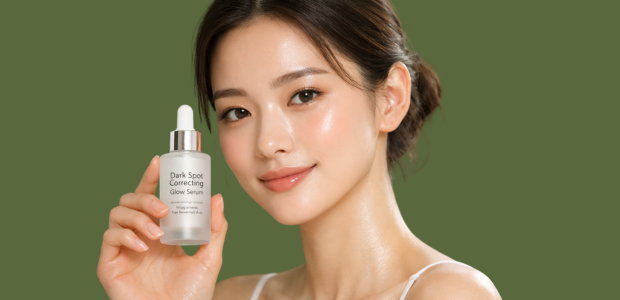
Today, many skin care products for dark spots aim to brighten uneven tone. For example, serums with ingredients such as niacinamide often support a more balanced complexion. One popular example is Axis-Y Dark Spot Correcting Glow Serum, which focuses on improving uneven tone gently.
This guide explains what causes skin spots on face, the different types of pigmentation, and how targeted skincare solutions may help reduce their appearance.
1. What Is Skin Hyperpigmentation?
Skin hyperpigmentation refers to areas where the skin becomes darker than the surrounding tone. This change occurs when the skin produces excess melanin, the natural pigment responsible for skin color.
As a result, small patches or marks appear on the surface. These marks may look like:
- Brown spots on skin
- Black spots on skin
- Brown patches on skin
- Uneven skin spots on face
Although hyperpigmentation is usually harmless, many people prefer to treat it for cosmetic reasons.
Why Hyperpigmentation Causes Dark Spots
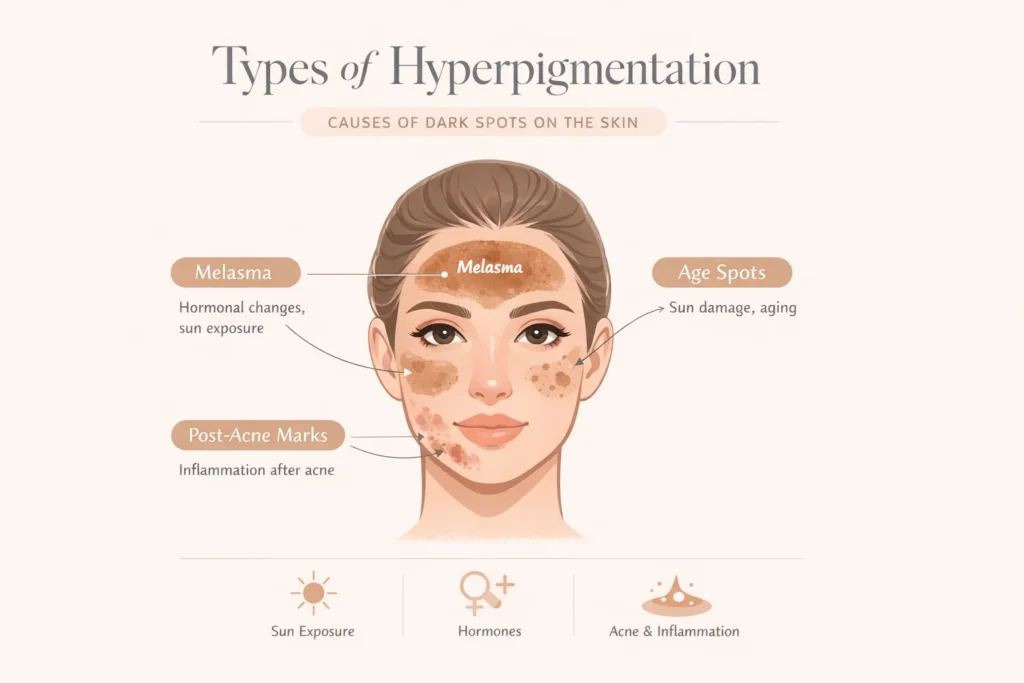
Several factors can trigger excess melanin production. For example:
- Sun exposure
- Skin inflammation
- Hormonal changes
- Aging
Therefore, areas exposed to sunlight often develop brown age spots or darker patches. In addition, acne or irritation may leave dark spots on skin after healing.
Because of this process, many people look for dark spot skin treatment options to improve overall skin tone.
2. Common Causes of Dark Spots and Hyperpigmentation
Different lifestyle habits and environmental factors can cause dark spots to appear on the skin. Things like too much sun exposure, pollution, hormonal changes, and acne marks may lead to uneven skin tone over time. Understanding these causes makes it easier to choose the right skincare products for dark spots and pigmentation.
Simple daily habits, such as using sunscreen, keeping the skin hydrated, and following a gentle skincare routine, can also help reduce the appearance of these spots. With proper care and the right products, the skin can gradually look clearer, brighter, and more even-toned.
Sun Exposure
Ultraviolet (UV) rays trigger Dark spots production. Over time, repeated exposure may create age spots or brown age spots.
Therefore, daily sun protection plays a major role in preventing brown patches on skin.
Acne Marks and Skin Inflammation
After pimples heal, the skin sometimes produces extra pigment. As a result, dark spots on skin appear where inflammation occurred.
This condition is called post-inflammatory hyperpigmentation (Dark spots left after pimples, acne, or skin irritation heal).
Hormonal Changes
Hormonal fluctuations may cause melasma, which creates larger brown patches on face. This condition often appears during pregnancy or hormonal treatments.
Aging
As the skin ages, pigment distribution becomes uneven. Consequently, brown spots on skin may appear on the face, hands, or shoulders.
Lack of Sun Protection
Without sunscreen, UV exposure continues to enhance dark Spot. Therefore, skin spots on face may gradually become darker.
3. Types of Hyperpigmentation on Skin
Different types of pigmentation can cause different types of dark spots on the skin. Some spots may appear after acne, while others may be caused by sun exposure, hormonal changes, or skin irritation. Because each type of pigmentation forms differently, the appearance and depth of the spots can vary.
Understanding these types helps choose the most appropriate dark spot skin treatment and skincare routine. With proper care and regular use of targeted products, it’s easy to gradually improve uneven skin tone and achieve clear, healthy-looking skin.
Age Spots
Age spots are flat, dark marks caused by years of sun exposure. They often appear on the face, hands, and arms.
These brown age spots usually develop gradually with age.
Melasma
Melasma creates larger brown patches on face, especially on the cheeks and forehead. Hormonal changes and sunlight both contribute to this condition.
Post-Inflammatory Hyperpigmentation
This type appears after acne, injury, or irritation. Once the skin heals, darker marks remain.
Therefore, people with acne frequently experience dark spots on skin even after pimples disappear.
4. Brown Spots and Dark Patches on Face: Why They Appear
The face is the most exposed part of the body and is directly exposed to sunlight, pollution, and dust every day. Because of this constant exposure, pigmentation and dark spots often appear first on the face.
Over time, these factors can disrupt the skin’s natural balance and cause uneven skin tone, especially on the cheeks, forehead, and around the mouth. Proper skincare and daily Sun protection can help reduce the chance of new dark spots forming.
Several triggers may cause brown patches on face, including:
- Sun exposure
- Acne scars
- Hormonal changes
- Skin irritation
- Aging
Additionally, dark circles can develop in the Sensitive area under the eyes, making the face appear tired. Because the causes of these marks vary, treatments often focus on gradually balancing skin tone and improving overall skin radiance. For this reason, many skincare routines include targeted brightening products that help skin appear more even. One such popular option is Axis-Y Dark Spot Correcting Glow Serum.”
What Is Axis-Y Dark Spot Correcting Glow Serum?
Axis-Y Dark Spot Correcting Glow Serum is a skincare product designed to improve uneven skin tone and reduce visible pigmentation.
Instead of harsh ingredients, the formula focuses on gentle brightening components. As a result, the serum supports smoother and clearer-looking skin over time.
Many people include brightening serum for dark spots in their routine because serums absorb easily into the skin.
Therefore, they deliver active ingredients more effectively than heavier creams.
Key Ingredients in Axis-Y Dark Spot Correcting Glow Serum
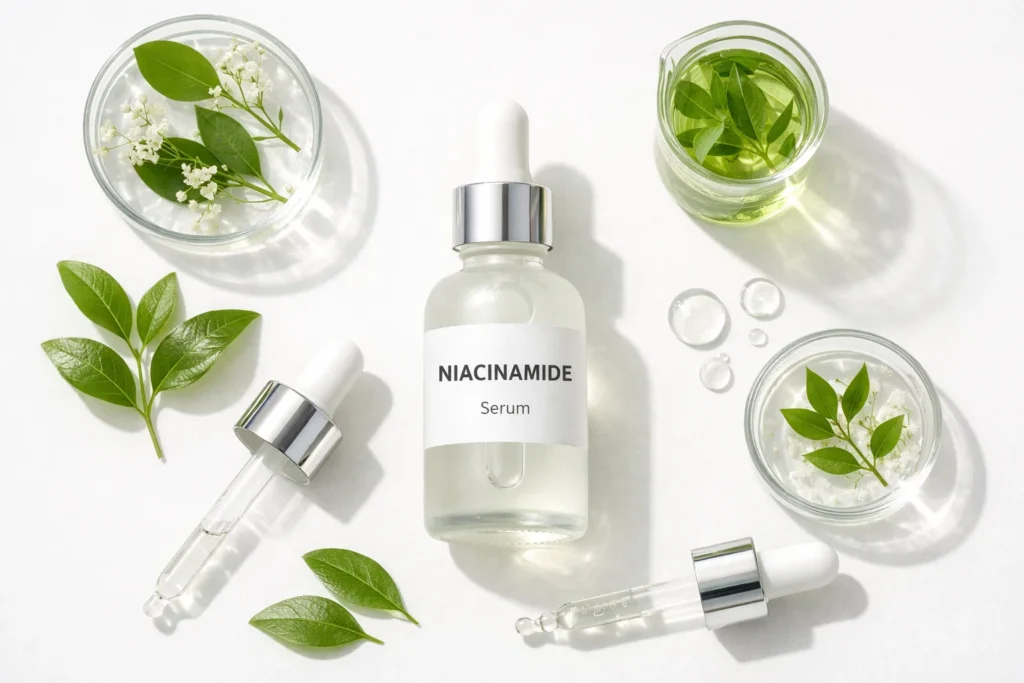
The formula contains several ingredients commonly used in skin care products for dark spots.
Niacinamide
Niacinamide is a form of vitamin B3. It helps improve uneven skin tone and supports the skin barrier.
In addition, it may reduce the appearance of dark spots on skin and improve overall brightness.
Plant Extracts
Many plant extracts provide soothing and antioxidant benefits. These ingredients help calm irritated skin and support healthy skin balance.
As a result, the skin may appear smoother and more radiant.
Brightening Components
Some ingredients focus on balancing melanin production. Therefore, they help fade brown spots on skin gradually.
However, results usually require consistent use.
How Axis-Y Dark Spot Correcting Glow Serum Helps Fade Dark Spots
Brightening serums often work by supporting healthy skin renewal.
For example:
- Helps reduce dark spots and pigmentation for a more even skin tone.
- Provides Necessary hydration for healthier-looking skin.
- Promotes gradual correction of uneven skin tone.
As a result, skin spots on face may appear lighter over time.
However, results depend on consistent skincare routines. In addition, sunscreen remains essential to prevent further pigmentation.
Benefits of Using Axis-Y Serum for Hyperpigmentation
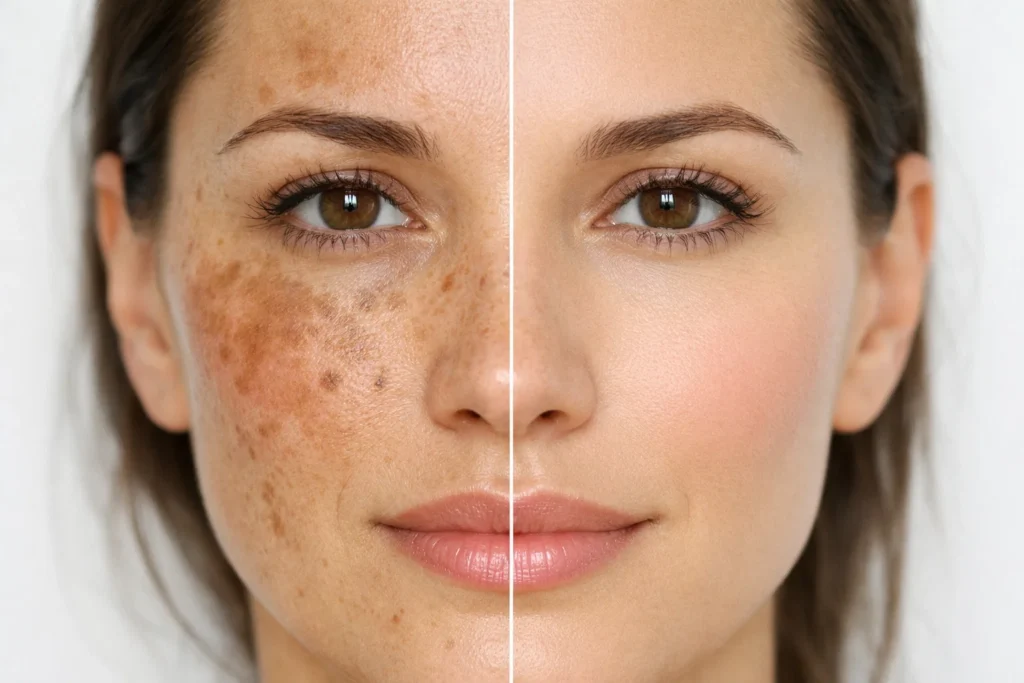
When used regularly, brightening serums may offer several benefits.
Improved Skin Tone
The formula helps support a more balanced complexion. Therefore, brown patches on skin may appear less noticeable.
Lightweight Texture
Serums absorb quickly into the skin. As a result, they work well with other skin products for dark spots.
Hydration Support
Many serums contain hydrating ingredients. Therefore, the skin feels smoother and healthier.
Suitable for Many Skin Types
Most brightening serums work for both men and women. However, people with sensitive skin should patch test first.
How Fast It Works
Many people expect immediate results from dark spot skin treatment. However, pigmentation often fades gradually.
Typically:
- Early improvements may appear within 4–6 weeks
- More visible changes may take 8–12 weeks
This timeline depends on factors such as skin type, sun exposure, and skincare consistency.
Therefore, patience and daily sunscreen use remain essential.
How to Use Axis-Y Dark Spot Correcting Glow Serum in Your Skincare Routine
Using the serum correctly helps maximize its benefits.
Step 1: Cleanse the Skin
Start with a gentle cleanser to remove dirt and oil.
Step 2: Apply Toner
Toner helps balance the skin and prepares it for serum absorption.
Step 3: Apply the Serum
Apply a small amount to areas with skin dark spots or uneven tone.
Step 4: Moisturize
Follow with a moisturizer to lock in hydration.
Step 5: Apply Sunscreen
During the daytime, sunscreen helps prevent new brown spots on skin from forming.
Consistency plays an important role in improving skin hyperpigmentation.
Myths vs Facts About Dark Spots
Myth: Dark spots disappear overnight
Fact: Most pigmentation treatments require weeks of consistent care.
Myth: Lemon juice removes dark spots instantly
Fact: Natural remedies may irritate the skin and worsen pigmentation.
Myth: Only women get hyperpigmentation
Fact: Both men and women develop skin spots on face.
Myth: Sunscreen is unnecessary indoors
Fact: UV rays can still reach the skin through windows.
Safety, Side Effects, and Who Should Avoid It
Most brightening serums are generally well suitable. However, some people may experience mild irritation.
Possible side effects include:
- Temporary redness
- Mild dryness
- Skin sensitivity
Therefore, performing a patch test is recommended.
People with severe skin conditions should consult a dermatologist before starting any dark spot skin treatment.
In addition, avoid mixing too many active ingredients at once.
FAQs
1. What causes skin dark spots?
Too much skin pigmentation production often causes dark spots on skin. Sun exposure, acne scars, hormones, and aging commonly trigger this process.
2. How can I reduce brown patches on face?
A combination of sunscreen, gentle removing dead skin, and skin care products for dark spots may help improve uneven pigmentation over time.
3. Do brightening serums really work?
Brightening serums may gradually reduce brown spots on skin when used consistently. However, results vary depending on skin type and lifestyle.
4. Can dark spots return after treatment?
Yes. Without sun protection, pigmentation may return. Therefore, daily sunscreen helps maintain results.
5. Are dark circles the same as hyperpigmentation?
Not always. Dark circles may develop due to thin skin, lack of sleep, or pigmentation under the eyes.
Final Thoughts
Skin dark spots and uneven tone are very common. Sun exposure, acne marks, hormones, and aging can all contribute to skin hyperpigmentation.
Fortunately, consistent skincare routines may help improve skin clarity. Products such as brightening serum for dark spots often support gradual tone correction.
However, patience remains important. Results usually appear over time rather than overnight.
Therefore, combining targeted treatments with sun protection and gentle skincare helps maintain healthier, brighter-looking skin.
This article is for informational purposes only and does not constitute medical advice. Skincare results may vary depending on individual skin type and condition. Always perform a patch test or consult a dermatologist before introducing new skincare products.